Hair loss can be a challenging experience, affecting not only your appearance but also your confidence. As hair restoration technology advances, Direct Hair Transplant (DHT) emerges as a leading solution, promising natural results with minimal downtime. In this guide, we’ll delve deep into everything you need to know about Direct Hair Transplant, from the procedure itself to the benefits, risks, and post-operative care. Whether you’re considering this treatment or just curious, this comprehensive resource will provide all the information you need.
Introduction to Direct Hair Transplant
Hair transplant procedures have evolved significantly over the past few decades, offering more effective and less invasive options. Among these, Direct Hair Transplant (DHT) has gained traction due to its innovative approach and remarkable results. Understanding this technique begins with recognizing the broader landscape of hair transplant methods and the reasons behind the growing demand for hair restoration.
Overview of Hair Transplant Techniques
Hair transplants have been around since the mid-20th century, with early techniques focusing on large grafts that often produced unnatural results. Over time, procedures like Follicular Unit Transplantation (FUT) and Follicular Unit Extraction (FUE) revolutionized the field by allowing more precise, natural-looking hairlines. However, the quest for even better outcomes led to the development of Direct Hair Transplant, which minimizes handling of hair follicles and maximizes the success rate.
The Growing Popularity of Hair Transplants
The rise in hair transplants can be attributed to several factors, including advancements in medical technology, increased awareness, and the desire for a youthful appearance. With celebrities openly discussing their procedures, the stigma around hair restoration is fading, making it a more accessible option for those experiencing hair loss.
What is Direct Hair Transplant (DHT)?
Direct Hair Transplant (DHT) represents a significant advancement in hair restoration techniques. This method focuses on precision and efficiency, aiming to deliver natural results with minimal discomfort. But what exactly is DHT, and how does it differ from other hair transplant methods?
Definition and Concept
Direct Hair Transplant is a technique where hair follicles are extracted from the donor area and immediately implanted into the recipient area without the need for a separate stage of preparation. This direct approach reduces the time the follicles spend outside the body, increasing their survival rate and leading to better overall results.
How DHT Differs from Other Techniques
While techniques like FUE involve extracting follicles and then implanting them after a preparation phase, DHT streamlines this process. The key difference lies in the simultaneous extraction and implantation, which not only saves time but also minimizes the handling of hair follicles. This reduces the risk of damage and improves the chances of successful grafts.
The Evolution of Hair Transplant Techniques
Understanding the evolution of hair transplant techniques provides context for why Direct Hair Transplant is considered a breakthrough in the field. From the rudimentary methods of the past to today’s cutting-edge procedures, hair transplantation has come a long way.
Early Methods: Strip Harvesting and FUT
The earliest hair transplant techniques involved strip harvesting, where a strip of scalp was removed from the back of the head to extract hair follicles. This method often left a visible scar and required a longer recovery time. Follicular Unit Transplantation (FUT) improved on this by isolating individual follicular units from the strip, leading to more natural results but still involving significant downtime and scarring.
FUE vs. DHT
Follicular Unit Extraction (FUE) further advanced hair transplant techniques by allowing individual follicles to be harvested directly from the scalp, leaving no linear scars. This was a significant leap forward in reducing visible scarring and recovery time. However, Direct Hair Transplant (DHT) takes this a step further by combining the extraction and implantation processes, reducing the risk of follicle damage and increasing the overall success rate.
Technological Advancements
The integration of advanced tools and technology has played a crucial role in the success of modern hair transplants. Robotics, enhanced imaging, and precision tools have all contributed to the accuracy and efficiency of procedures like DHT, making them more reliable and accessible to a broader audience.
The Procedure of Direct Hair Transplant
The Direct Hair Transplant procedure is methodical and precise, requiring a skilled surgeon and advanced tools. Understanding the step-by-step process can help potential patients prepare mentally and physically for the treatment.
Preoperative Consultation and Assessment
Before undergoing DHT, a thorough consultation with a hair transplant specialist is essential. This includes assessing the extent of hair loss, determining the number of grafts needed, and discussing the patient’s expectations. The surgeon will also evaluate the donor area to ensure sufficient hair follicles are available for transplantation.
In the DHT procedure, the extraction of hair follicles is performed using specialized instruments that ensure minimal trauma to the donor area. The follicles are carefully removed, one by one, with a focus on preserving their integrity. Since the follicles are immediately implanted, they are less likely to be damaged or lose viability.
Graft Placement and Density
Once extracted, the follicles are directly implanted into the recipient area. The surgeon carefully considers the angle, depth, and density of each graft to create a natural-looking hairline and overall appearance. The precision of this step is crucial, as it determines the final outcome of the transplant.
Who is a Suitable Candidate for DHT?
Not everyone is an ideal candidate for Direct Hair Transplant. Several factors must be considered to determine if this procedure is suitable for a particular individual.
Hair Loss Patterns and Severity
The pattern and severity of hair loss are critical in determining suitability for DHT. Patients with well-defined bald areas and sufficient donor hair are typically better candidates. The surgeon will assess whether the available donor hair can cover the desired area effectively.
Age and Health Considerations
Age and overall health are also important factors. While there is no strict age limit for DHT, younger patients may need to consider the progressive nature of hair loss and the potential need for additional treatments in the future. Good general health is essential to minimize risks during the procedure and recovery.
Psychological Readiness
Undergoing a hair transplant is a significant decision that can have a profound impact on an individual’s self-esteem. It’s important for patients to be psychologically ready, with realistic expectations about the outcomes and the commitment required for post-operative care.
Benefits of Direct Hair Transplant
Direct Hair Transplant offers several benefits that make it an attractive option for those seeking hair restoration. These advantages are key reasons why DHT is becoming increasingly popular.
Minimally Invasive Approach
DHT is a minimally invasive procedure, meaning it involves less trauma to the scalp compared to traditional methods. The direct implantation process reduces the need for incisions, which translates to fewer scars and a quicker healing time.
Natural-Looking Results
One of the primary goals of any hair transplant is to achieve natural-looking results. DHT excels in this area by allowing precise placement of hair follicles, ensuring that the new hairline matches the patient’s original hair growth pattern.
Reduced Recovery Time
Since DHT involves fewer incisions and less handling of the follicles, the recovery time is typically shorter than with other methods. Most patients can return to their normal activities within a few days, with full recovery expected within a few weeks.
Risks and Side Effects of Direct Hair Transplant
While Direct Hair Transplant is generally safe, like any medical procedure, it carries some risks and potential side effects. Understanding these can help patients make informed decisions and take steps to minimize any adverse outcomes.
Common Side Effects
Some common side effects of DHT include swelling, redness, and mild pain in the treated area. These symptoms are usually temporary and can be managed with medication and proper care.
Potential Complications
Though rare, complications such as infection, scarring, or unnatural hair growth patterns can occur. These risks are minimized by choosing a qualified and experienced surgeon and following post-operative care instructions closely.
How to Minimize Risks
To minimize the risks associated with DHT, patients should adhere to all pre- and post-operative guidelines provided by their surgeon. This includes avoiding certain medications, refraining from smoking, and keeping the scalp clean and protected during the healing process.
Cost of Direct Hair Transplant
The cost of Direct Hair Transplant can vary widely depending on several factors. Understanding these can help patients budget for the procedure and assess whether it is a worthwhile investment.
Factors Affecting Cost
The cost of DHT is influenced by factors such as the number of grafts needed, the reputation and experience of the surgeon, the location of the clinic, and any additional services provided during the procedure. The complexity of the case also plays a role, as more challenging cases may require more time and resources.
Average Cost Comparison with Other Techniques
On average, DHT may be more expensive than other hair transplant methods like FUE or FUT due to its advanced technology and precision. However, the higher success rate and quicker recovery time can make it a more cost-effective option in the long run.
Is It Worth the Investment?
For many patients, the benefits of DHT, including natural results and reduced downtime, justify the higher cost. It’s important to consider both the short-term financial outlay and the long-term satisfaction and confidence that come from a successful hair transplant.
Direct Hair Transplant vs. Other Hair Transplant Techniques
Direct Hair Transplant offers unique advantages over other techniques, but it’s essential to understand how it compares to ensure it’s the right choice for each individual.
DHT vs. FUE: Which is Better?
Both DHT and FUE are minimally invasive techniques that provide excellent results. However, DHT offers a more streamlined process with less follicle handling, potentially leading to better survival rates. FUE might be preferable for patients seeking a more established technique or those with specific needs that align better with FUE’s methodology.
DHT vs. FUT: Pros and Cons
Compared to Follicular Unit Transplantation (FUT), DHT is less invasive, leaves no linear scars, and requires less recovery time. However, FUT might be more suitable for patients needing a large number of grafts, as it can provide a higher yield from the donor area.
What Sets DHT Apart?
The primary distinction of DHT lies in its direct implantation process, which reduces follicle handling and enhances precision. This approach not only improves the overall success rate but also leads to more natural-looking results with fewer complications.
The Role of Technology in DHT
Technology plays a crucial role in the success of Direct Hair Transplant. Advanced tools and techniques contribute to the precision and efficiency of the procedure, making it a reliable option for hair restoration.
Tools and Devices Used
DHT utilizes specialized instruments designed to extract and implant hair follicles with minimal damage. These tools ensure that each follicle is handled delicately, preserving its viability and improving the overall outcome.
The Importance of Precision
Precision is vital in hair transplantation, as it directly affects the naturalness of the results. The technology used in DHT allows for the meticulous placement of follicles, ensuring that the direction, angle, and density of the transplanted hair match the patient’s original hair growth.
Innovations Enhancing Success Rates
Ongoing innovations in hair transplant technology continue to improve the success rates of procedures like DHT. From robotic assistance to enhanced imaging techniques, these advancements allow for more accurate planning and execution, leading to better patient outcomes.
Pre-Procedure Considerations
Preparing for a Direct Hair Transplant involves several important steps. Proper preparation can help ensure a smoother procedure and better results.
Preparing for DHT: Dos and Don’ts
Before undergoing DHT, patients should follow specific guidelines provided by their surgeon. This may include avoiding certain medications, abstaining from alcohol and smoking, and ensuring the scalp is clean and healthy.
Choosing the Right Clinic and Surgeon
Selecting a reputable clinic and a skilled surgeon is critical to the success of a DHT procedure. Patients should research potential surgeons, review their credentials, and consider patient testimonials before making a decision.
Understanding the Timeline
Understanding the timeline of a DHT procedure can help patients set realistic expectations. This includes knowing the duration of the surgery, the recovery period, and when they can expect to see final results.
Post-Procedure Care and Recovery
Proper post-operative care is essential for a successful recovery and optimal results. Patients must adhere to their surgeon’s instructions to ensure the transplanted hair grows as expected.
Immediate Aftercare Guidelines
Immediately after the procedure, patients should follow guidelines such as avoiding strenuous activities, keeping the scalp clean, and using prescribed medications to manage pain and prevent infection.
Long-Term Care for Transplanted Hair
Long-term care involves protecting the scalp from sun exposure, avoiding harsh hair treatments, and maintaining a healthy lifestyle to support hair growth. Regular follow-up appointments with the surgeon are also important to monitor progress.
Expected Recovery Timeline
The recovery timeline for DHT is relatively short, with most patients returning to normal activities within a few days. Full recovery, including the shedding of transplanted hair and the regrowth of new hair, typically occurs within 3 to 6 months.
Success Rates and Patient Satisfaction
The success of Direct Hair Transplant is reflected in high patient satisfaction rates. Understanding what contributes to these outcomes can help prospective patients make informed decisions.
What Success Looks Like
Success in DHT is measured by the naturalness of the results, the survival rate of the transplanted follicles, and the overall improvement in the patient’s appearance and confidence.
Factors Influencing Outcomes
Several factors influence the success of DHT, including the skill of the surgeon, the patient’s adherence to post-operative care instructions, and the health of the donor area.
Real-Life Testimonials
Real-life testimonials from patients who have undergone DHT can provide valuable insights into the procedure’s effectiveness and the level of satisfaction experienced by others.
Celebrity Endorsements and Case Studies
Celebrities often set trends in cosmetic procedures, and hair transplants are no exception. Their endorsements can influence public perception and acceptance of treatments like DHT.
Famous Figures Who Have Undergone DHT
Many celebrities have openly discussed their experiences with hair transplants, including Direct Hair Transplant. These endorsements have helped normalize the procedure and increase its popularity.
Case Studies Highlighting Results
Case studies of DHT procedures showcase the effectiveness of the technique, highlighting before-and-after photos and detailed descriptions of the process and results.
Media Coverage
Media coverage of DHT and other hair transplant techniques contributes to the growing awareness and acceptance of hair restoration as a viable option for those experiencing hair loss.
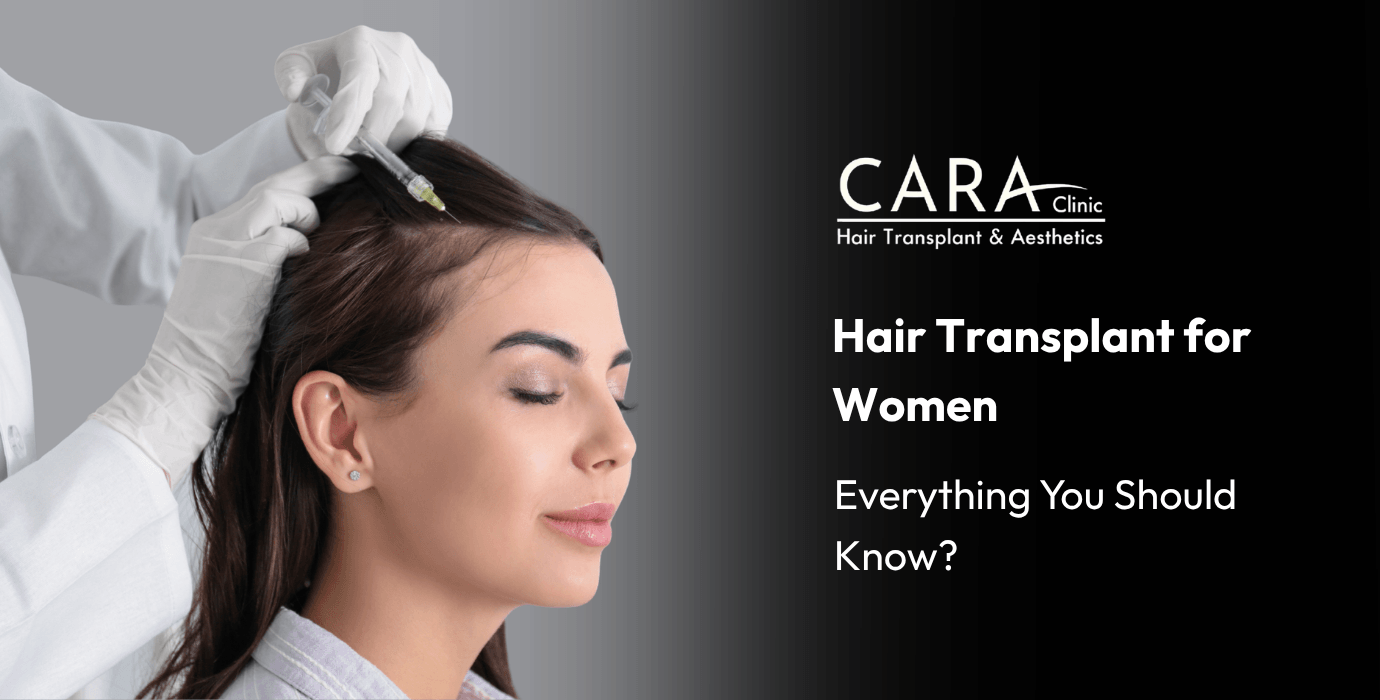
Direct Hair Transplant for Women
While hair transplants are often associated with men, they can also be an effective solution for women experiencing hair loss. Understanding how DHT applies to female patients is important.
Is DHT Suitable for Women?
DHT can be suitable for women, especially those experiencing pattern baldness or thinning hair. The procedure is tailored to meet the unique needs of female patients, ensuring natural and satisfying results.
Addressing Female Hair Loss Issues
Female hair loss can be caused by a variety of factors, including hormonal changes, stress, and genetics. DHT offers a solution by restoring hair density and improving overall appearance.
Success Stories
There are numerous success stories of women who have undergone DHT, with many reporting significant improvements in their appearance and confidence.
Ethical Considerations in Direct Hair Transplant
As with any medical procedure, ethical considerations play a crucial role in the practice of Direct Hair Transplant. Patients should be aware of these factors when choosing to undergo the procedure.
Informed Consent and Patient Rights
Informed consent is essential in any medical procedure. Patients should be fully informed about the risks, benefits, and alternatives to DHT before making a decision.
Marketing vs. Reality: Truth in Advertising
The marketing of hair transplants can sometimes be misleading, with promises of guaranteed results. Patients should approach such claims with caution and seek out reputable sources of information.
Psychological Impact of Hair Transplant
Hair loss can have a significant psychological impact, and hair transplants like DHT offer a solution that can improve both appearance and mental well-being.
The Emotional Journey of Hair Loss
The emotional impact of hair loss can be profound, affecting self-esteem and social interactions. Understanding this journey can help patients make informed decisions about their treatment options.
Boosting Confidence and Self-Esteem
Successful hair transplants often lead to a significant boost in confidence and self-esteem, helping patients feel more comfortable and happy with their appearance.
Coping with Expectations
Managing expectations is crucial for a positive outcome. Patients should have realistic goals and understand that while DHT can provide significant improvements, it may not completely restore the hair to its original state.
Alternatives to Direct Hair Transplant
For those who may not be suitable candidates for DHT or prefer non-surgical options, there are alternatives available that can still provide satisfactory results.
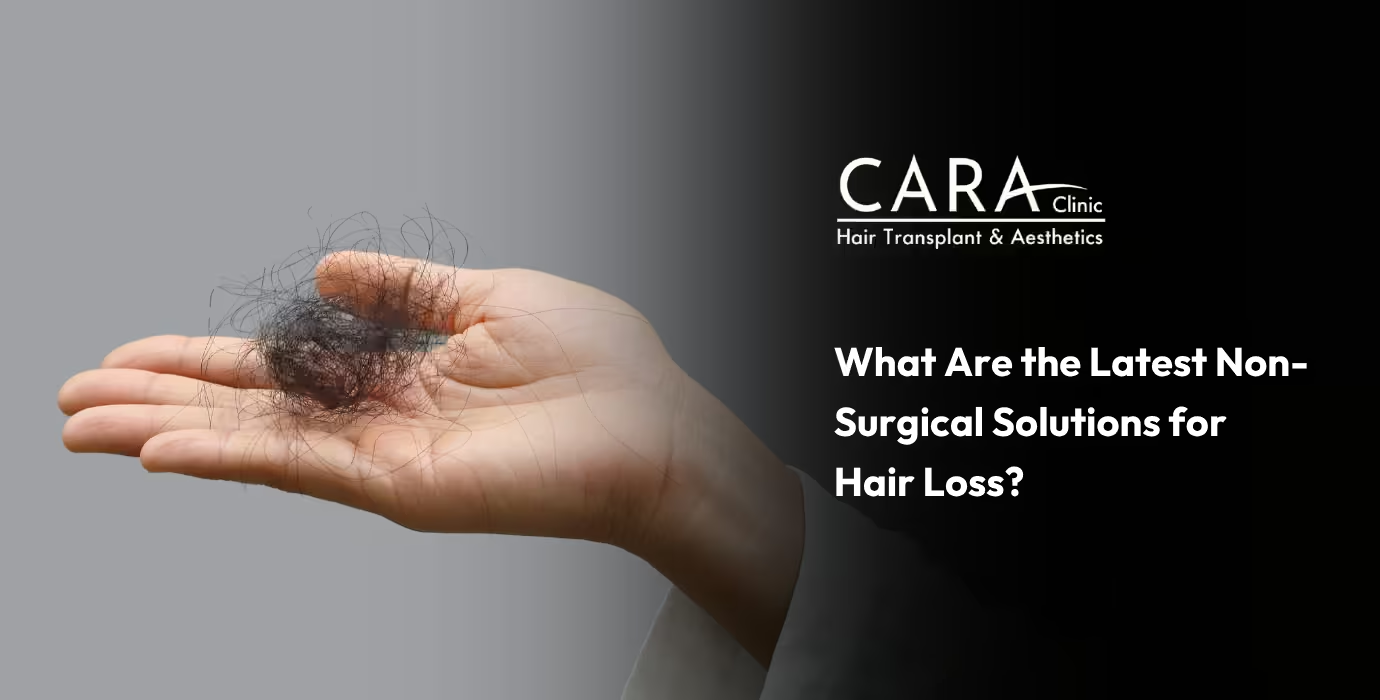
Non-Surgical Hair Restoration Options
Non-surgical options like hair fibers, laser therapy, and topical treatments can be effective for some individuals, offering a less invasive solution to hair loss.
PRP Therapy and Other Innovations
Platelet-Rich Plasma (PRP) therapy is another option that has shown promise in promoting hair growth. Combined with other treatments, it can enhance results and improve hair density.
Wigs and Hairpieces
For those seeking immediate results without surgery, wigs and hairpieces offer a viable alternative. Modern wigs are highly realistic and can be customized to match the patient’s natural hair.
Frequently Asked Questions about Direct Hair Transplant
Is DHT painful?
While DHT is a minimally invasive procedure, some discomfort is expected during and after the treatment. However, pain is usually manageable with local anesthesia and prescribed pain relievers.
How long does it take to see results?
Results from DHT typically start to become visible after 3 to 4 months, with full results appearing after 6 to 12 months. Patience is essential, as hair growth is a gradual process.
Can DHT fail?
While DHT has a high success rate, there is a small chance of failure if the transplanted follicles do not take root. Factors such as improper care, health conditions, or poor technique can contribute to less successful outcomes.
What is the downtime after DHT?
Most patients experience a downtime of just a few days to a week. During this period, it’s important to follow post-operative care instructions to ensure proper healing.
Is DHT suitable for all types of hair?
DHT can be effective for various hair types, but it’s particularly suitable for those with a well-defined donor area and specific patterns of hair loss. A consultation with a specialist is necessary to determine suitability.
How does DHT affect existing hair?
DHT is designed to work with your existing hair, filling in thinning areas and restoring density. The procedure should not negatively impact the surrounding hair if performed correctly.
Conclusion
Direct Hair Transplant represents a significant advancement in hair restoration, offering natural-looking results with minimal downtime. As technology and techniques continue to evolve, DHT remains at the forefront of effective solutions for hair loss. Whether you’re considering this procedure or simply exploring your options, understanding the benefits, risks, and care involved in DHT can help you make an informed decision. The future of hair transplants looks promising, with continued innovation driving better outcomes and higher patient satisfaction.