What is PRP for hair fall and how does it help?
PRP is one of the most effective non-surgical options for reducing hair fall. The growth factors in the concentrated plasma strengthen follicle anchoring, improve scalp health, and push hair follicles back into an active growth phase — directly reducing daily shedding. Most patients notice a significant reduction in hair fall within 4–6 weeks of their first session, with continued improvement across the treatment course.
What is GFC treatment for hair, and how is it different from PRP?
GFC (Growth Factor Concentrate) is an advanced form of PRP that undergoes additional processing to isolate and concentrate only the growth factors from your blood — removing red blood cells and other components entirely. This produces a more refined, higher-potency preparation. PRP has a longer and more established clinical evidence base, while GFC offers a more concentrated delivery of growth factors. At Cara Clinics, your physician will recommend the right option based on your hair loss pattern and clinical needs.
How much does PRP hair treatment cost in Mumbai?
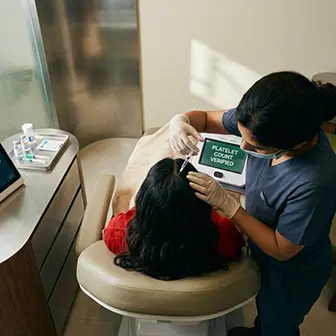
PRP hair treatment cost in Mumbai varies based on several factors: the quality of the preparation kit used, whether platelet counting is performed to verify therapeutic concentration, the type of anaesthesia (topical cream vs. a proper nerve block), the number of sessions required, and the clinical setting. Lower-cost options in the market often use substandard kits that produce diluted platelet concentrations and less effective results. At Cara Clinics, every session uses verified, medical-grade protocols under sterile conditions. For a personalized cost estimate based on your specific treatment plan, we recommend booking a consultation.
What is PRP hair treatment and how does it work?
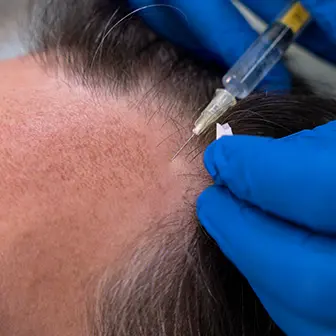
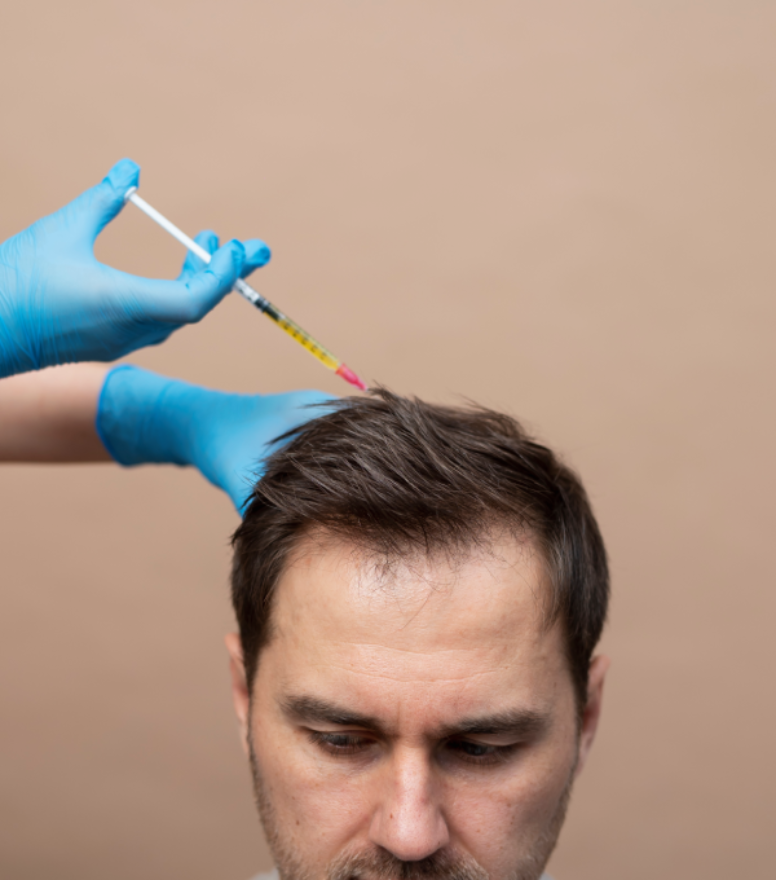
PRP (Platelet-Rich Plasma) hair treatment is a non-surgical procedure that uses a concentrated preparation of your own platelets to stimulate hair follicles. It is injected into areas of the scalp affected by thinning or hair loss, where growth factors in the platelets work to reactivate dormant follicles, reduce shedding, and promote natural hair regrowth.
Is PRP hair treatment in Mumbai painful?
Most patients describe the procedure as mildly uncomfortable rather than painful. A topical numbing cream is applied to the scalp prior to injections to minimize discomfort. Any post-procedure tenderness typically resolves within 24–48 hours.
How many PRP sessions will I need?
Most patients start with 3–4 sessions spaced 3–4 weeks apart, followed by maintenance sessions every 4–6 months. The GFC protocol typically recommends 4 sessions for complete benefit—with improvement visible after each session. Your physician will determine the right plan for your individual pattern of hair loss.
When will I see results from PRP hair treatment?
Reduced shedding is typically the first sign of response, noticeable around weeks 4–6. Visible regrowth and density improvements generally appear between months 3 and 6. Most patients also notice their hair becoming shinier and stronger from an early stage. Full results from an initial treatment course are assessed at the 6-month mark.
Is PRP safe for women experiencing hair loss?
Yes. PRP is highly effective for women and is suitable for female pattern hair loss, diffuse thinning, stress-related shedding, and postpartum hair loss. A physician consultation will confirm suitability for your specific condition.
How does PRP compare to minoxidil or finasteride?
Minoxidil and finasteride are daily medications that require ongoing use to maintain results and carry their own side effect profiles. PRP is a biological treatment using your own blood, with no systemic drug exposure. It addresses the follicle environment directly rather than relying on daily medication. PRP can also be used alongside medical treatments for a combined approach.
Can I combine PRP with a hair transplant?
Yes—and this is a commonly recommended combination. PRP is frequently used alongside or following a hair transplant to improve graft survival, reduce post-surgical shedding, and support density. It is also an effective option for those who want to delay or avoid a transplant by maintaining their existing follicles.
What should I do to prepare before my PRP session?
In the week before your session, avoid vitamin E, fish oil, aspirin, and alcohol. Wash your hair with your prescribed shampoo on the day of the treatment, towel-dry it, and arrive without any hair products applied. Your physician will provide any additional guidance specific to your plan.
Are there any side effects of PRP hair treatment?
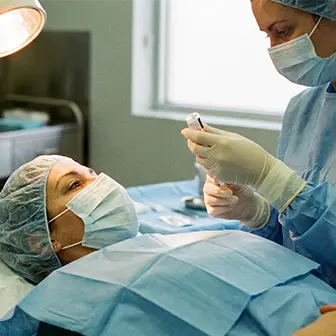
PRP is generally very safe. The most common side effects are mild scalp tenderness and temporary redness at injection sites, which resolve quickly. Some patients notice a temporary increase in shedding in the first few weeks—this is known as shock shedding and is typically a sign that the follicle cycle has been activated, not a cause for concern. Serious complications are rare, particularly when the procedure is performed under sterile clinical conditions.
How much does PRP hair treatment cost in Mumbai?
Cost depends on the quality of the PRP kit used, whether platelet counting is performed, the type of anaesthesia, and the number of sessions required. Lower-cost PRP options in the market often use substandard preparation kits that produce lower platelet concentrations and less effective results. At Cara Clinics, every session uses verified, high-quality protocols. For a personalized cost estimate, book a consultation.
Can PRP stop hair loss permanently?
PRP significantly reduces hair fall and stimulates regrowth, but it is not a permanent cure for genetic or hormonal hair loss. Maintenance sessions every 4–6 months are typically recommended to sustain the results over time. The earlier you begin treatment, the more effectively PRP can slow the progression of hair loss.