Hair loss can be a distressing experience, impacting both appearance and confidence. While various hair restoration methods exist, Sapphire Follicular Unit Extraction (Sapphire FUE) stands out as a superior technique. This advanced procedure combines the precision of FUE with the advantages of using sapphire blades, offering unparalleled results. In this comprehensive guide, we will explore why Sapphire FUE is considered the best hair transplant procedure, detailing its benefits, process, recovery, and much more.
The Fundamentals of Sapphire FUE India
What is Sapphire FUE?
Sapphire FUE is an advanced hair transplantation technique that utilizes sapphire blades for creating recipient sites during the Follicular Unit Extraction process. This method enhances the traditional FUE procedure, providing improved precision and less tissue trauma.
How Does Sapphire FUE Work?
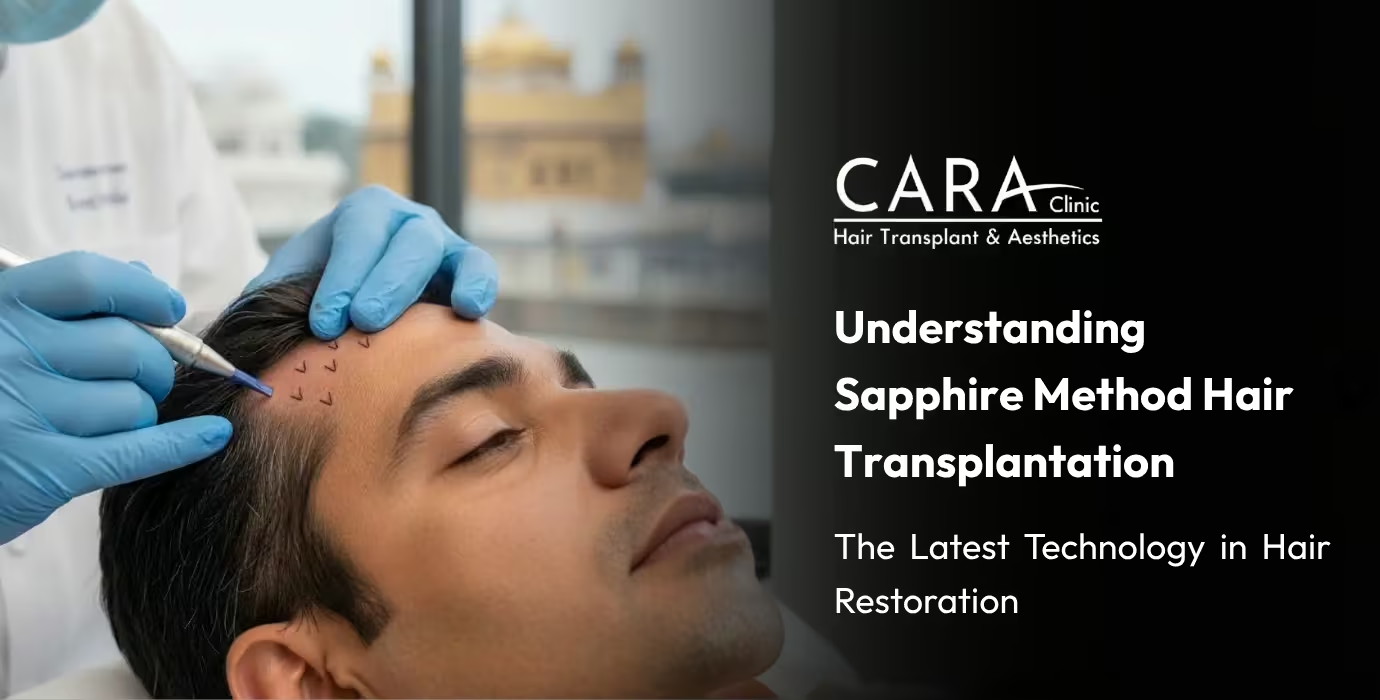
In Sapphire FUE, hair follicles are individually extracted from the donor area using a micro-punch tool. The recipient sites are then created using ultra-sharp sapphire blades, allowing for precise incisions and optimal follicle placement. This process ensures a natural-looking hairline and better overall density.
Advantages of Sapphire FUE Over Traditional FUE
Enhanced Precision
Sapphire blades are much sharper and finer than traditional steel blades, allowing for more precise incisions. This precision minimizes tissue damage and ensures a more natural placement of hair follicles.
Reduced Scarring
The use of sapphire blades results in smaller, more accurate incisions, which significantly reduces the risk of scarring compared to traditional FUE. Patients can expect less visible scarring and a quicker recovery.
Faster Healing
Sapphire FUE promotes faster healing due to the minimal tissue trauma caused by the fine incisions. This leads to a quicker recovery period and less postoperative discomfort.
Higher Graft Survival Rate
The precise incisions made with sapphire blades ensure that hair follicles are placed at the optimal angle and depth, increasing the survival rate of transplanted grafts. This results in better hair density and a more natural appearance.
The Sapphire FUE Procedure: Step-by-Step
Pre-Procedure Consultation
A thorough consultation with a hair transplant specialist is essential to assess the patient’s hair loss pattern, donor area, and overall suitability for the procedure. This step involves discussing the patient’s expectations and medical history.
Donor Area Preparation
The donor area, usually the back of the scalp, is shaved and numbed with a local anesthetic. This preparation ensures a comfortable and efficient extraction process.
Follicle Extraction
Individual hair follicles are carefully extracted from the donor area using a micro-punch tool. These follicles are then prepared for transplantation.
Recipient Site Creation
Using sapphire blades, the surgeon creates tiny incisions in the recipient area. The precision of these incisions determines the angle, direction, and density of the transplanted hair.
Graft Placement
The extracted hair follicles are meticulously placed into the incisions made with the sapphire blades. This step requires a high level of skill to ensure a natural-looking hairline and even distribution.
Recovery and Aftercare
Immediate Post-Procedure Care
After the procedure, patients receive detailed instructions on how to care for their scalp. This includes guidelines on washing, avoiding direct sunlight, and using prescribed medications to promote healing.
Healing Timeline
Patients can expect initial redness and swelling in the recipient area, which typically subsides within a few days. New hair growth begins around three months post-procedure, with full results visible within 12 to 18 months.
Long-Term Care
Maintaining the health of the transplanted hair is crucial. Patients should follow a healthy diet, avoid smoking, and use recommended hair care products to support long-term hair health.
Comparing Sapphire FUE with Other Hair Transplant Techniques
Sapphire FUE vs. Traditional FUE
While both methods use the Follicular Unit Extraction technique, the use of sapphire blades in Sapphire FUE offers superior precision, reduced scarring, and faster healing compared to traditional steel blades.
Sapphire FUE vs. FUT
Follicular Unit Transplantation (FUT) involves removing a strip of scalp from the donor area. Sapphire FUE, being minimally invasive, results in less scarring, quicker recovery, and more natural results than FUT.
Sapphire FUE vs. DHI
Direct Hair Implantation (DHI) involves using a specialized pen-like tool to implant hair follicles. While DHI offers precise implantation, Sapphire FUE is preferred for its enhanced precision in incision making and graft survival rate.
Success Rates and Patient Satisfaction
Clinical Studies and Data
Numerous clinical studies have demonstrated the high success rates of Sapphire FUE, with graft survival rates exceeding 90%. This high success rate translates to better hair density and patient satisfaction.
Patient Testimonials
Many patients who have undergone Sapphire FUE report high levels of satisfaction due to the natural-looking results, minimal scarring, and quick recovery. Testimonials often highlight the positive impact on their self-esteem and overall quality of life.
Cost Considerations
Factors Influencing Cost
The cost of Sapphire FUE can vary based on several factors, including the extent of hair loss, the number of grafts needed, the surgeon’s experience, and the clinic’s location. While it may be more expensive than traditional FUE, the benefits often justify the higher cost.
Is Sapphire FUE Worth the Investment?
Given the superior results, reduced scarring, and quicker recovery associated with Sapphire FUE, many patients find it a worthwhile investment. The long-term benefits of a natural-looking hairline and increased confidence make it a popular choice.
Potential Risks and Complications
Common Side Effects
As with any surgical procedure, Sapphire FUE carries some risks. Common side effects include redness, swelling, and temporary discomfort in the donor and recipient areas. These side effects are usually mild and subside within a few days.
Rare Complications
Though rare, complications such as infection, cysts, or uneven hair growth can occur. Choosing a reputable clinic and experienced surgeon can significantly reduce these risks.
Selecting the Right Surgeon
Qualifications and Experience
Choosing a qualified and experienced surgeon is crucial for achieving optimal results. Patients should research the surgeon’s credentials, training, and track record in performing Sapphire FUE procedures.
Clinic Reputation
The reputation of the clinic is equally important. Patients should look for clinics with positive reviews, advanced technology, and a commitment to patient care.
Preparing for the Procedure
Pre-Procedure Guidelines
Patients should follow specific guidelines provided by their surgeon before the procedure. This may include avoiding certain medications, quitting smoking, and maintaining a healthy diet.
Mental and Emotional Preparation
Undergoing a hair transplant can be a significant decision. Patients should be mentally and emotionally prepared for the process, understanding the timeline for results and managing expectations.
Post-Procedure Tips for Optimal Results
Scalp Care
Proper scalp care is essential for promoting healing and maximizing the success of the transplanted hair. Patients should follow their surgeon’s instructions for washing and protecting the scalp.
Nutrition and Hydration
Maintaining a healthy diet and staying hydrated can support the healing process. Foods rich in vitamins and minerals, such as biotin, zinc, and vitamins A and C, are beneficial for hair health.
Avoiding Harmful Practices
Patients should avoid activities that could harm the transplanted hair, such as excessive sun exposure, swimming in chlorinated water, and using harsh hair care products.
Case Studies and Real-Life Examples
Success Stories
Numerous case studies highlight the success of Sapphire FUE in transforming patients’ appearances and boosting their confidence. These stories often detail the before-and-after journey, showcasing the dramatic improvement in hair density and naturalness.
Lessons Learned
Real-life examples provide valuable insights into the procedure, including tips for choosing the right surgeon, managing expectations, and ensuring long-term hair health.
The Future of Hair Transplantation
Technological Advancements
As technology continues to advance, the field of hair transplantation is likely to see further improvements. Innovations in surgical tools, techniques, and aftercare products will enhance the effectiveness and accessibility of procedures like Sapphire FUE.
Potential Developments
Future developments may include robotic-assisted hair transplantation, improved graft preservation methods, and personalized treatment plans based on genetic profiling. These advancements will continue to elevate the standard of hair restoration.
Environmental and Ethical Considerations
Sustainable Practices
Ethical and sustainable practices in hair transplantation involve using biodegradable materials, minimizing waste, and ensuring the responsible sourcing of surgical tools. Clinics adopting these practices contribute to a greener and more ethical industry.
Patient-Centric Approaches
Prioritizing patient well-being and informed consent is crucial in hair transplantation. Clinics should ensure patients fully understand the procedure, potential risks, and expected outcomes before proceeding.
Read More – Spphire fue hair transplant in Mumbai
Conclusion
Sapphire FUE stands out as the best hair transplant procedure due to its precision, reduced scarring, faster healing, and high graft survival rate. With numerous success stories and a high level of patient satisfaction, it offers a reliable solution for those seeking to restore their hair and confidence. As technology advances, the future of hair transplantation looks promising, with continued improvements set to enhance the effectiveness and accessibility of this life-changing procedure.
FAQs
What makes Sapphire FUE different from traditional FUE?
Sapphire FUE uses ultra-sharp sapphire blades for creating recipient sites, offering enhanced precision, reduced scarring, and faster healing compared to traditional steel blades.
How long does the recovery process take after a Sapphire FUE procedure?
Initial healing occurs within a few days, with new hair growth starting around three months post-procedure. Full results are typically visible within 12 to 18 months.
Is Sapphire FUE suitable for everyone?
While Sapphire FUE is suitable for many individuals experiencing hair loss, a thorough consultation with a specialist is necessary to determine the best approach based on the patient’s specific condition and hair loss pattern.
Are there any risks associated with Sapphire FUE?
Common side effects include redness, swelling, and temporary discomfort. Rare complications, such as infection or uneven hair growth, can be minimized by choosing an experienced surgeon and reputable clinic.
How much does Sapphire FUE cost?
The cost varies based on factors like the extent of hair loss, the number of grafts needed, the surgeon’s experience, and the clinic’s location. Although it may be more expensive than traditional FUE, many find the benefits justify the investment.
Can I expect permanent results with Sapphire FUE?
Yes, the results of Sapphire FUE are generally permanent. The transplanted hair follicles continue to grow naturally, providing a long-lasting solution for hair loss.